

In the realm of industrial operations, lighting costs can represent a significant portion of a facility's overall expenses. Implementing strategies to reduce these costs not only benefits the bottom line but also contributes to a more sustainable and environmentally responsible operation. Let's explore the top four ways to reduce industrial lighting costs.
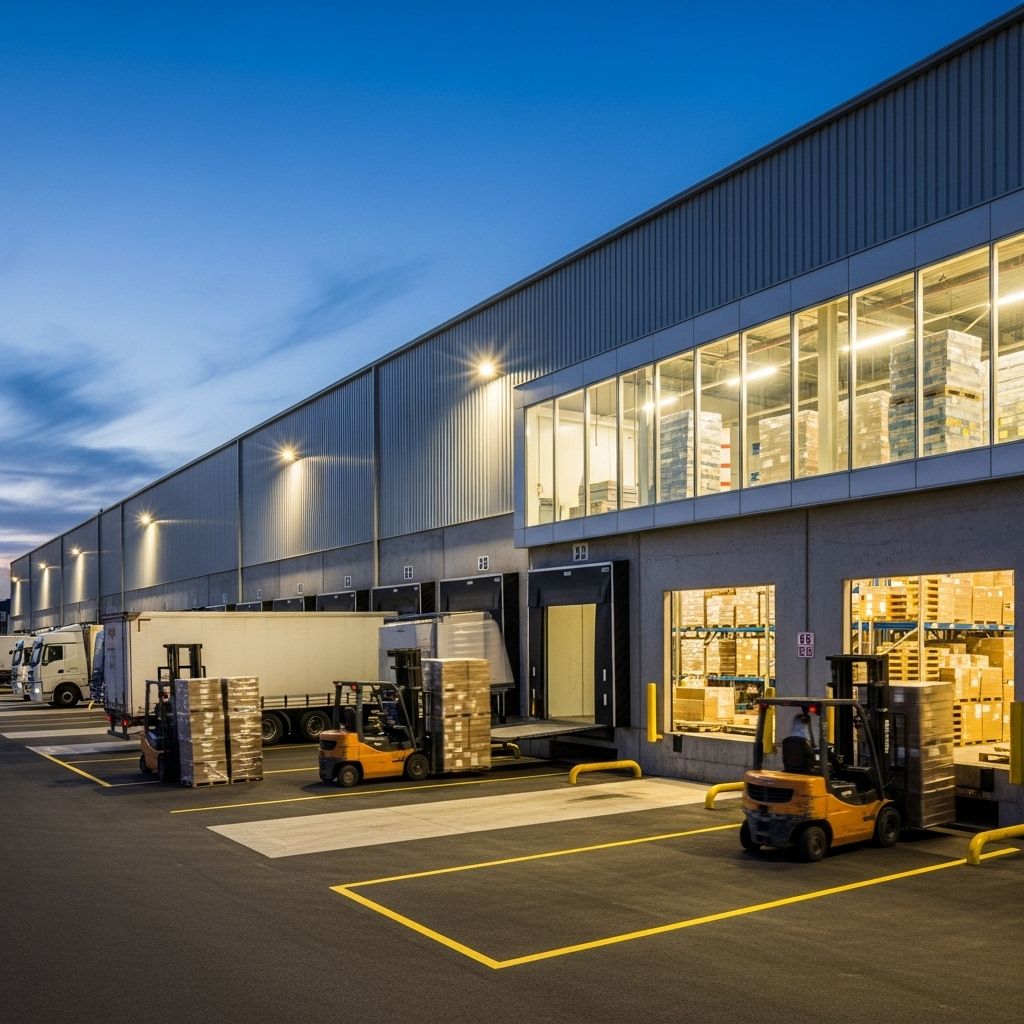
1. Embrace LED Lighting Solutions
Transitioning to LED lighting solutions is one of the most impactful ways to reduce industrial lighting costs. LEDs consume significantly less energy than traditional lighting technologies like incandescent or fluorescent lamps. The long lifespan of LEDs translates to reduced maintenance and replacement costs, minimizing downtime and further contributing to business energy savings.
2. Implement Smart Lighting Controls
Integrating smart lighting controls can optimize lighting usage based on occupancy, daylight availability, and task requirements. Motion sensors, daylight harvesting systems, and dimming controls ensure that lights are only on when and where they are needed, preventing energy waste and maximizing efficiency. By tailoring lighting levels to specific needs, businesses can achieve substantial energy savings without compromising safety or productivity.

3. Optimize Lighting Design
A well-designed lighting system considers factors such as fixture placement, light distribution, and color rendering to ensure optimal illumination levels while minimizing energy consumption. Conducting a lighting audit can help identify areas where improvements can be made, such as reducing the number of fixtures, relocating existing fixtures, or selecting more efficient optics. Optimizing lighting design enhances visibility, improves worker comfort, and reduces overall lighting costs.
4. Take Advantage of Utility Rebates and Incentives
Many utility companies offer rebates and incentives for businesses that invest in energy-efficient lighting technologies. These programs can significantly offset the upfront costs of upgrading to LED lighting solutions and implementing smart lighting controls. Exploring available rebates and incentives can make energy-efficient lighting projects more financially attractive and accelerate the return on investment.
In conclusion, reducing industrial lighting costs requires a multifaceted approach that combines energy-efficient technologies, intelligent controls, optimized design, and strategic utilization of utility incentives. By embracing LED lighting solutions, implementing smart controls, optimizing lighting design, and leveraging available rebates, businesses can achieve significant business energy savings. Work with The LED WAY today!